
A vision-impaired
person of sound mind experiences
phantom images (visions) in
their visual field.
National helpline
1300 121 123

A vision-impaired
person of sound mind experiences
phantom images (visions) in
their visual field.
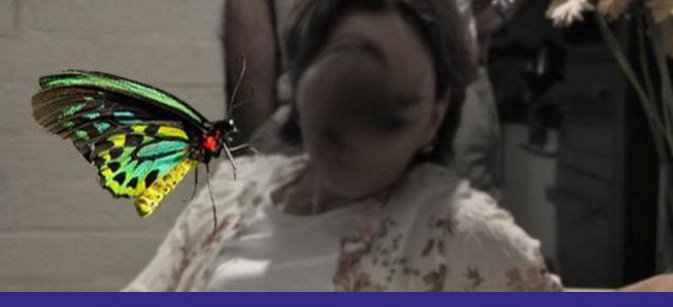

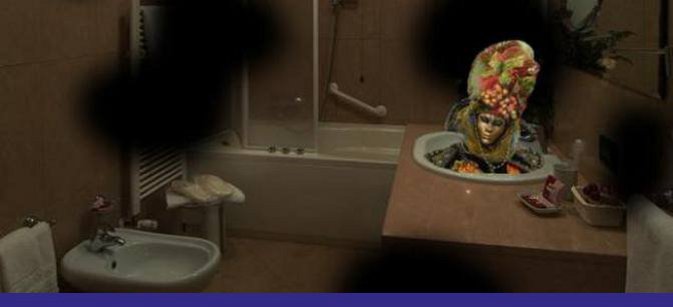
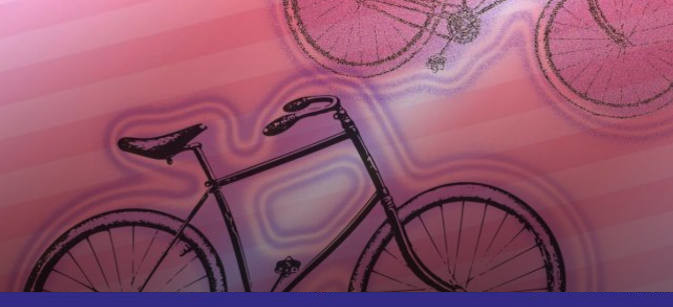
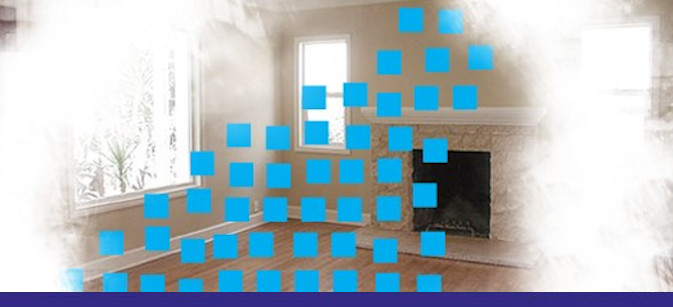
Glaucoma Australia in collaboration with the Charles Bonnet Syndrome Foundation will feature a second free online presentation on CBS and how it can affect people living with glaucoma. The event will be staged on Monday July 31st at 1pm (Australian Eastern Standard Time).

The first presentation provided an overview of CBS and its features. The second will turn attention to how it is believed that CBS occurs and then examine what one can do to try and improve the situation. This will include the role of carers and the part they can play in their loved one's management of the syndrome.
To register for this free event and participate in the discussion, please register at the following link:
https://go.glaucoma.org.au/cbsf
NOTE: For those who missed the first presentation, the recording can be accessed at the link below:
https://youtube.com/live/vpzAkMlne0g?feature=share

Visions with Low Vision: A whirlwind tour through the unusual world of Charles Bonnet syndrome
Wednesday, 2nd December 2 - 3 PM (AEDT)

TO REGISTER:
https://attendee.gotowebinar.com/register/5535480705153841422
Part of the reason that Charles Bonnet syndrome (CBS) continues to remain hidden in the medical world is that the majority of people living with CBS choose to keep their visual experiences to themselves. Repeated studies have found that about two thirds of all CBS-affected persons are so fearful of the repercussions of disclosing their unusual perceptions that they do not dare mention anything to their doctor(s). Regrettably, this often extends to their nearest and dearest.
Some common reasons given for not feeling comfortable to share with others include the fear of being:
Some or all of these fears are justified to some degree. Some patients are told by their medical practitioners to ˜keep these comments to yourself' lest they be interpreted as signs of mental illness. For a minority of others, their disclosures have been misdiagnosed by medical staff leading to institutional care placement.
The other important side to this coin is the role of clinical staff. Becoming more aware of CBS as a clinical entity would be highly beneficial. It is only when such professionals begin to routinely and sensitively enquire about, and forewarn of, CBS that those affected will begin to disclose more readily.
Clinical protocols need to be revised with regard to CBS. This in turn will assist in bringing CBS more out into the open and encourage people to share their own visual stories. Until and unless this occurs, most people living with CBS will continue to keep their CBS encounters a closely guarded secret.
The Charles Bonnet Syndrome Foundation is dedicated to raising awareness of CBS, what signs to look out for and how to better manage this condition.
As a charitable organisation, we rely principally upon memberships and donations to continue our work.
Please help us to support more people affected by CBS.
